
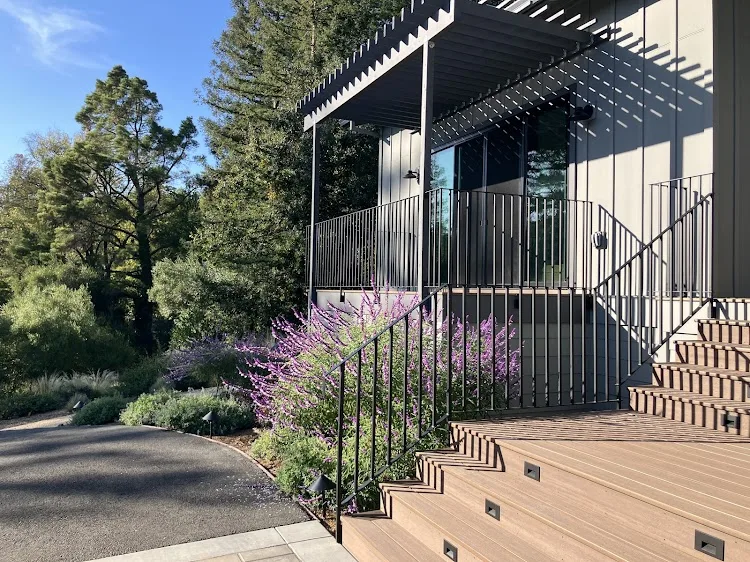
Design ideas for making compact East Bay yards feel more useful, finished, and personal with planting, paths, hardscape, and maintenance planning.
A small yard can be one of the most rewarding spaces to redesign. With less square footage, every decision matters: where people walk, where planting adds softness, where hardscape creates usable space, and how the yard will be maintained after installation.
In Contra Costa County, compact yards often have strong constraints. There may be narrow side access, afternoon heat, privacy needs, slope, existing trees, or limited room for staging materials during construction. Those constraints do not have to limit the final result. They simply require a more deliberate plan.
Decide What the Yard Must Do
Before choosing materials, decide how the space should function. Is the yard primarily an entry garden, a small seating area, a vegetable box zone, a pet-friendly space, or a low-maintenance front yard? A small yard cannot do everything equally well, so the strongest designs choose priorities.
Once the purpose is clear, the layout becomes easier. A direct path, a small patio, a planting border, or a single focal tree can organize the whole space.
Use Paths to Create Structure
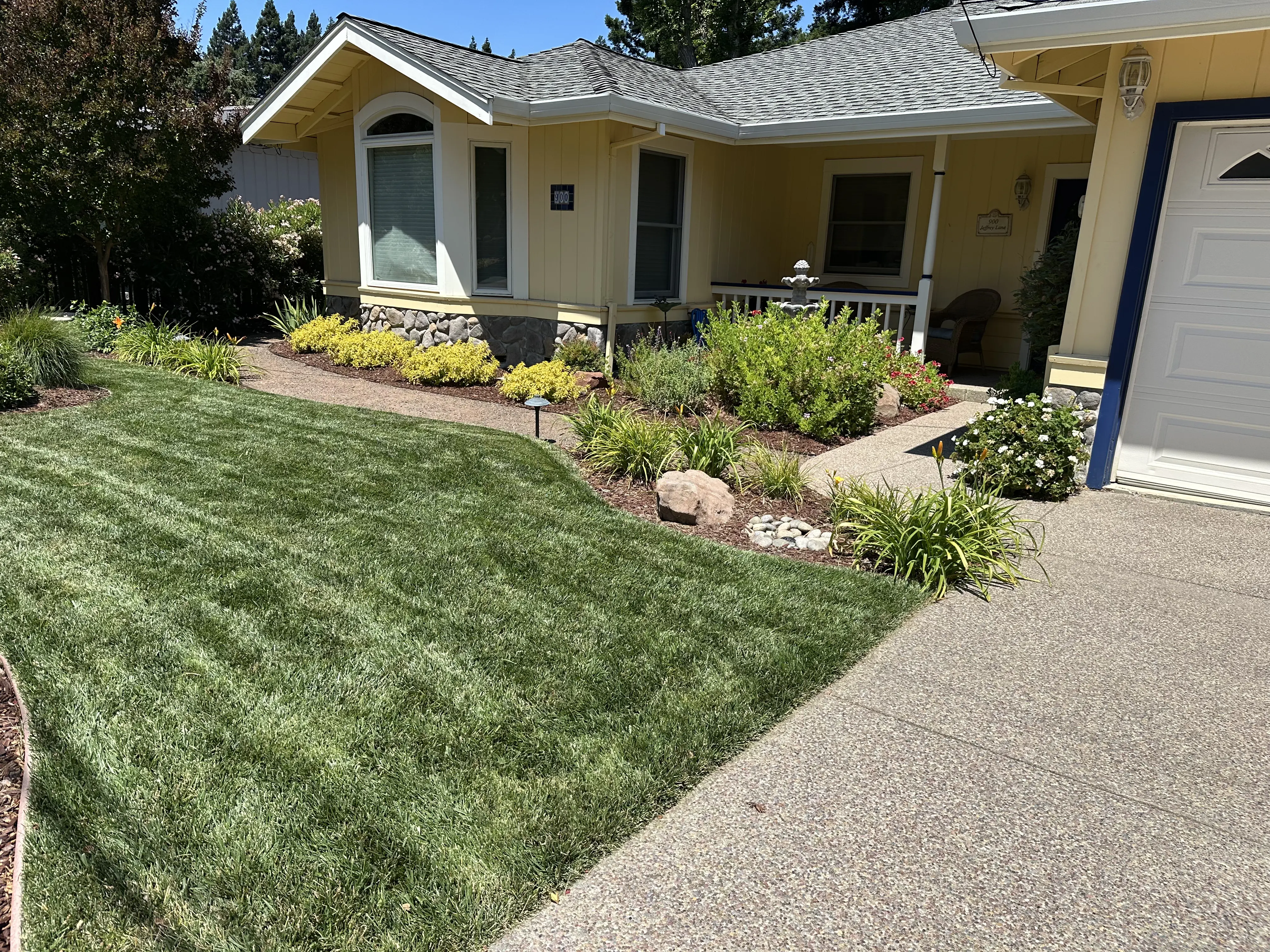
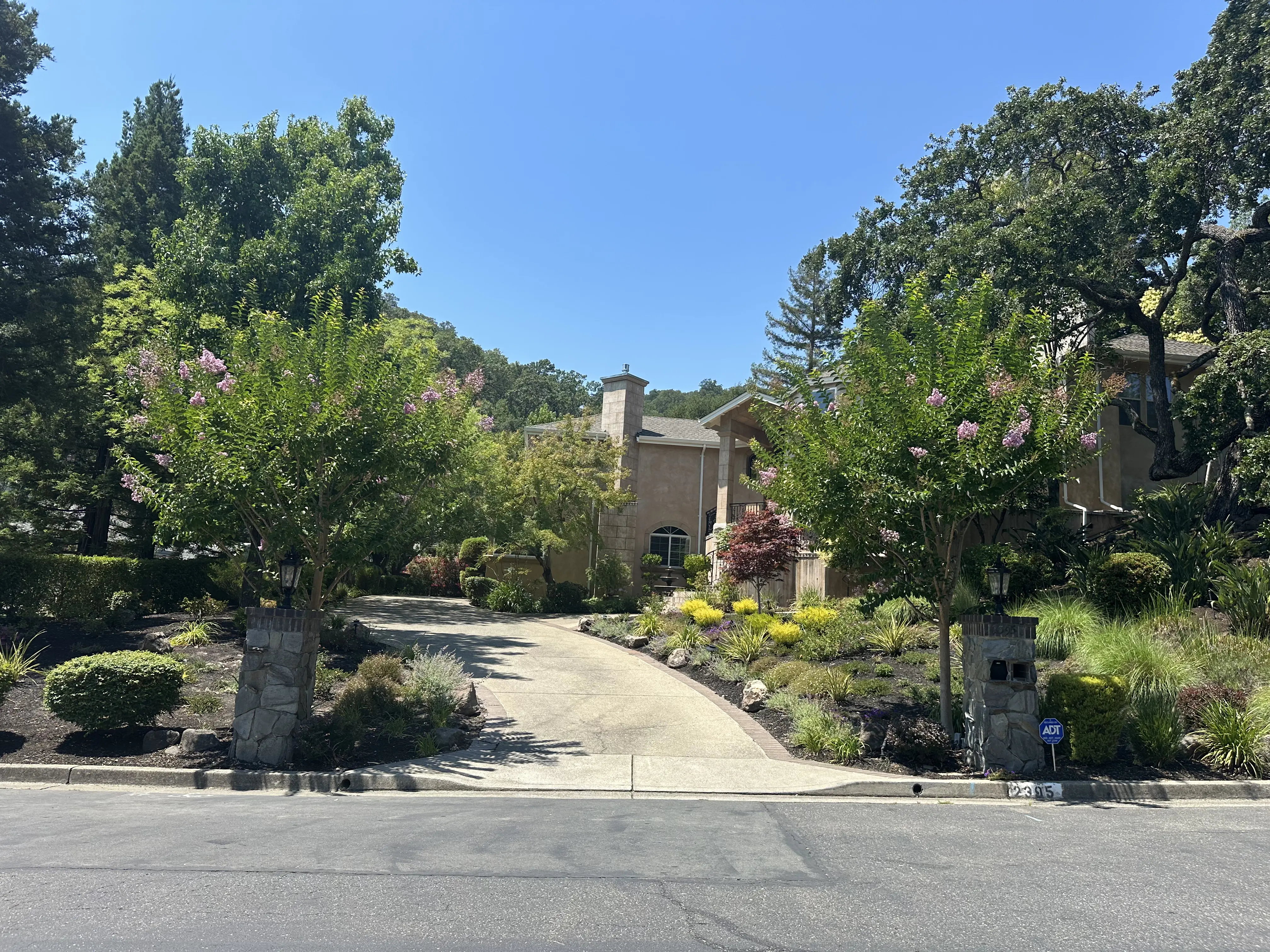
Paths are useful even when the yard is small. They guide movement, protect planting areas, and make the landscape feel intentional. A well-placed path can connect the driveway to the entry, lead to a side gate, or create a simple loop through a garden bed.
Materials should fit the home and the level of maintenance the owner wants. Stone, pavers, gravel, and concrete details all have different looks and upkeep needs. The important part is that the path feels integrated rather than squeezed in after planting.
Keep Planting Layered but Controlled
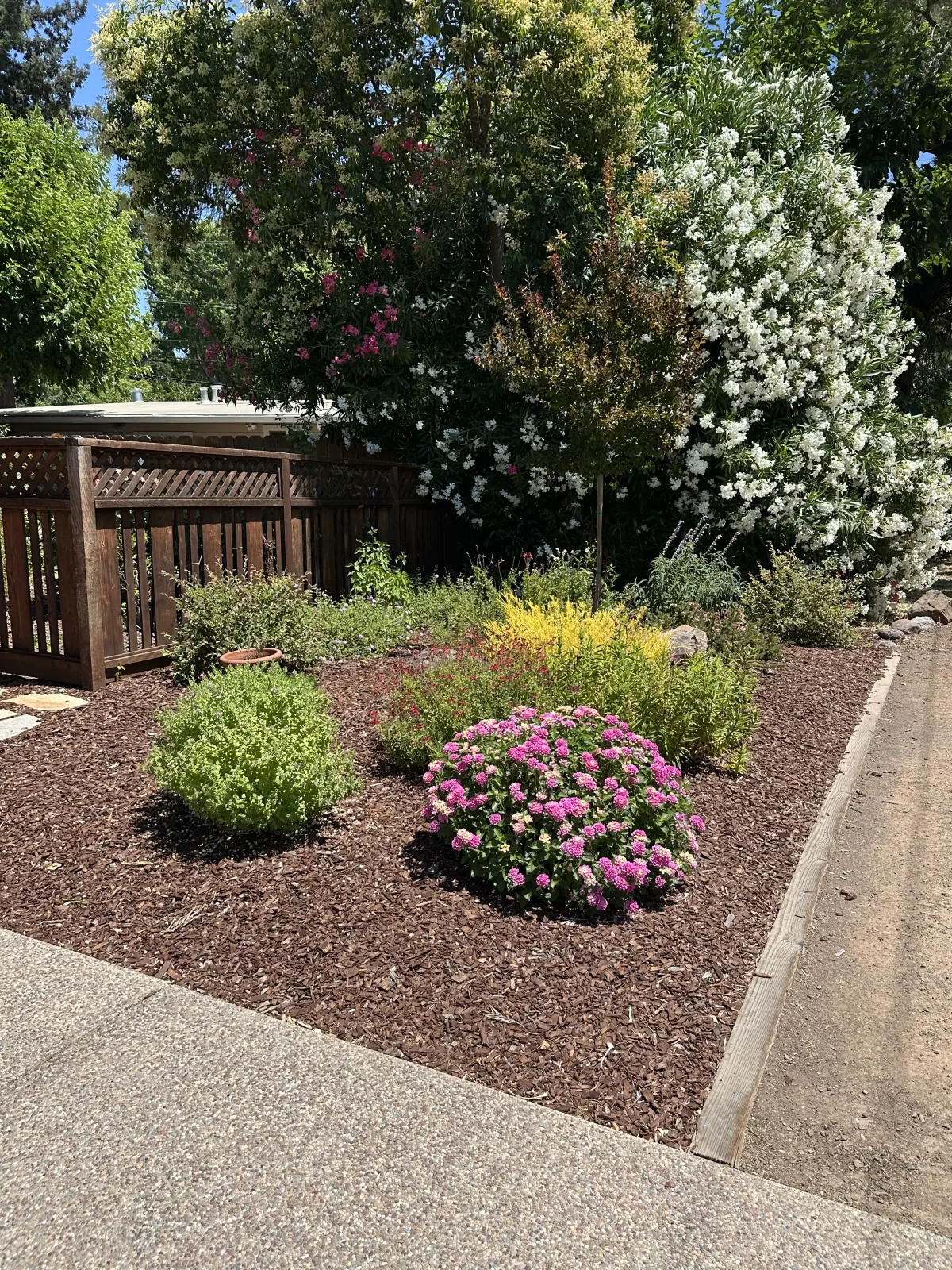
Small yards still benefit from layered planting. The difference is scale. Choose plants that provide structure without overwhelming the space. Combine upright forms, lower shrubs, groundcovers, and seasonal accents so the garden has depth without becoming crowded.
Avoid planting too many unrelated varieties. A calmer plant palette often makes a compact yard feel larger and more finished. Repetition can be more powerful than variety in a small space.
Make Hardscape Earn Its Space
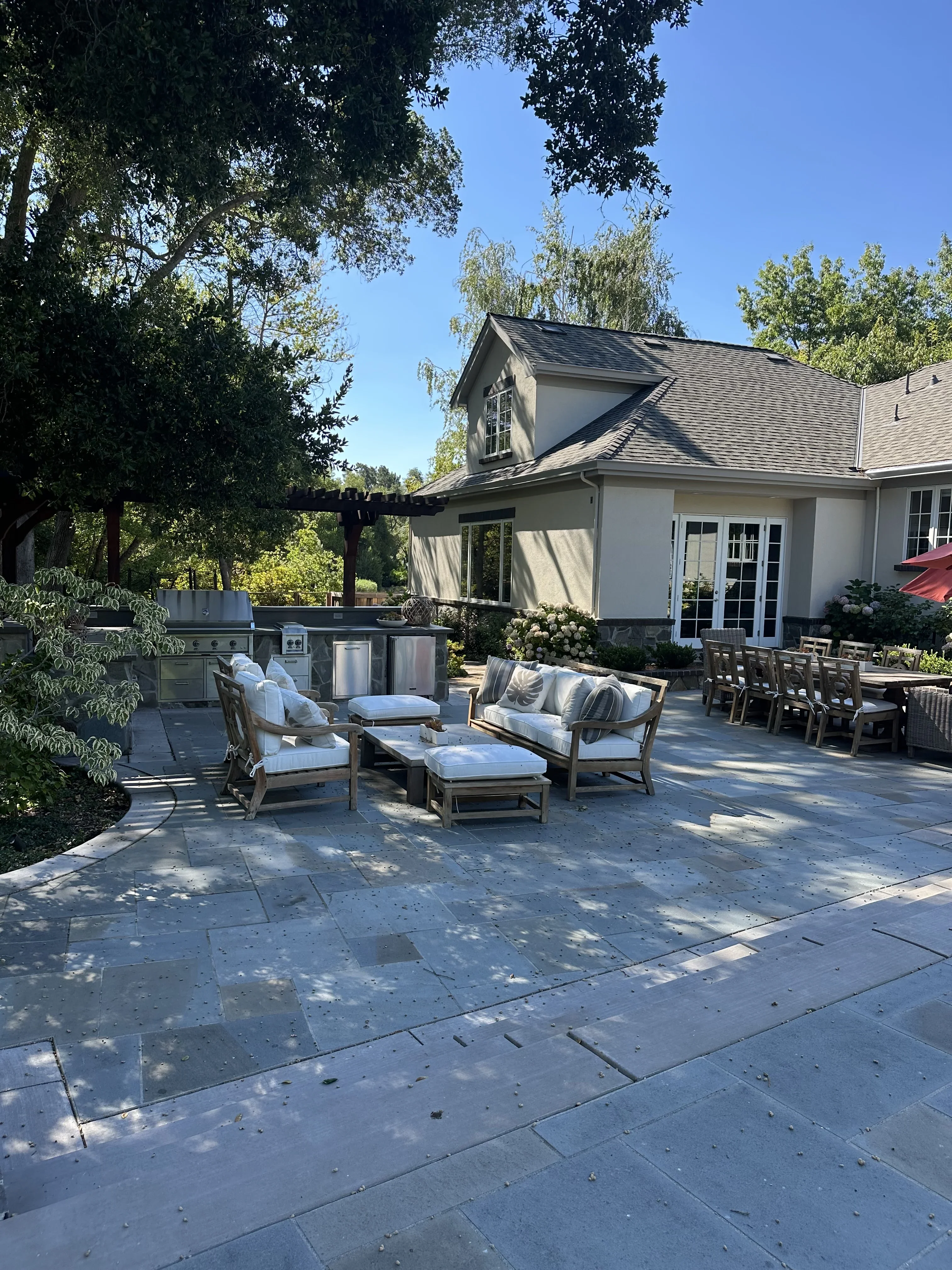
Hardscape should solve a real problem. A small patio can create a place to sit. A low wall can manage grade and add seating. Stone work can define a bed edge. A deck can make an awkward transition more usable.
Because hardscape is visually strong, it should be balanced with planting. Too much paving can make a small yard feel hot and bare. Too little structure can make it feel unfinished. The best projects find the middle ground.
Plan Irrigation Early
Small yards are easy to overwater if irrigation is not planned carefully. Spray heads may hit pavement or fences. Drip lines may be better for narrow beds. Vegetable boxes may need a different schedule than drought-tolerant shrubs.
Good irrigation planning also keeps maintenance simpler. When zones match the planting, the yard is easier to care for and less likely to develop dry or soggy spots.
Leave Room for Growth
The temptation in a small yard is to plant heavily so everything looks full right away. That can create maintenance problems later. Plants need room to mature, paths need clearance, and access points need to stay open.
A better approach is to use mulch, clean edging, and a few strong plant choices to make the first season look intentional while the garden grows in. That gives the landscape a finished look without overcrowding it from the start.
Small-yard design is not about making a tiny space pretend to be large. It is about making every foot useful, attractive, and maintainable. With the right layout, planting, hardscape, and irrigation plan, even a compact Contra Costa County yard can feel personal and complete.