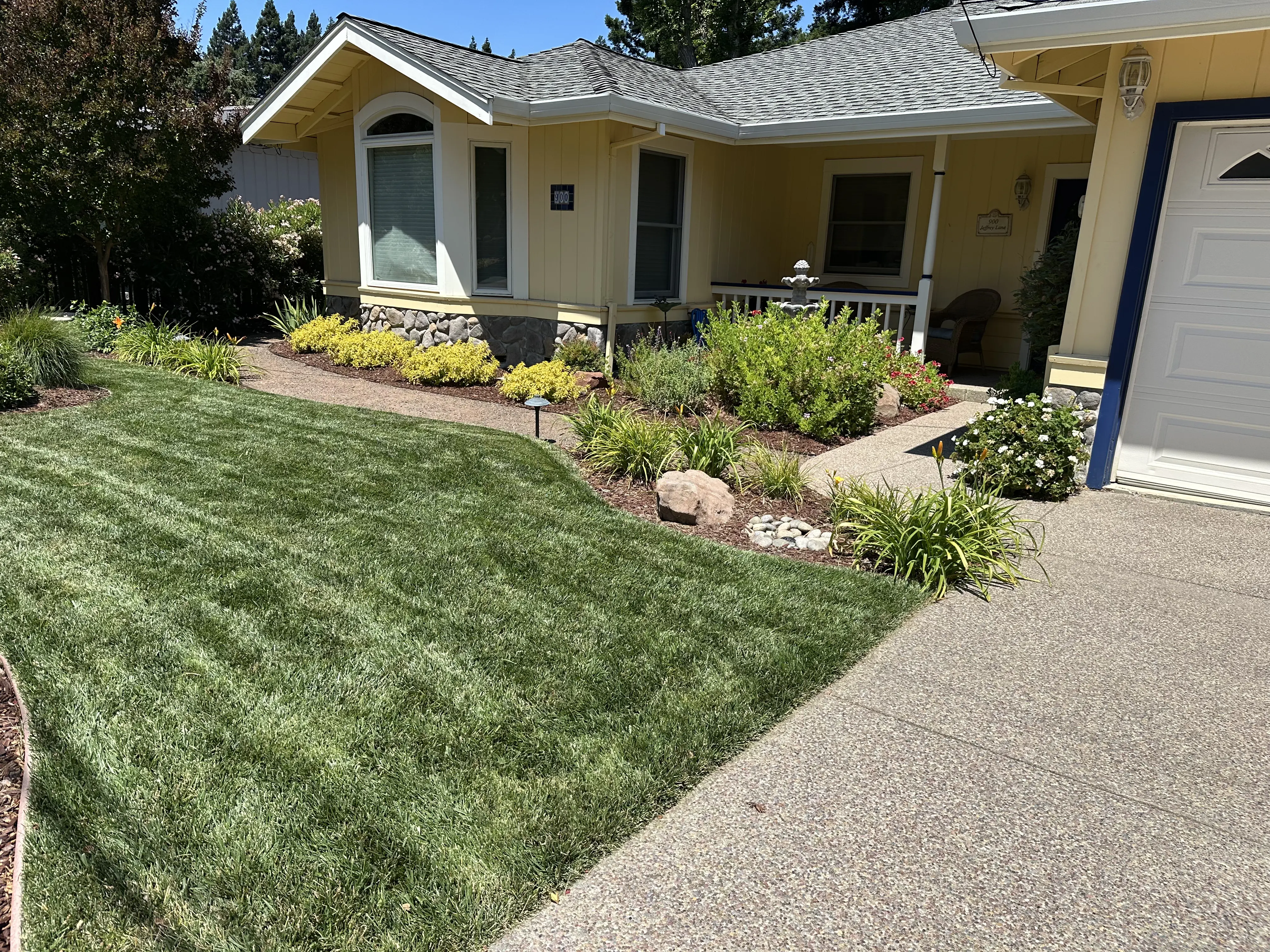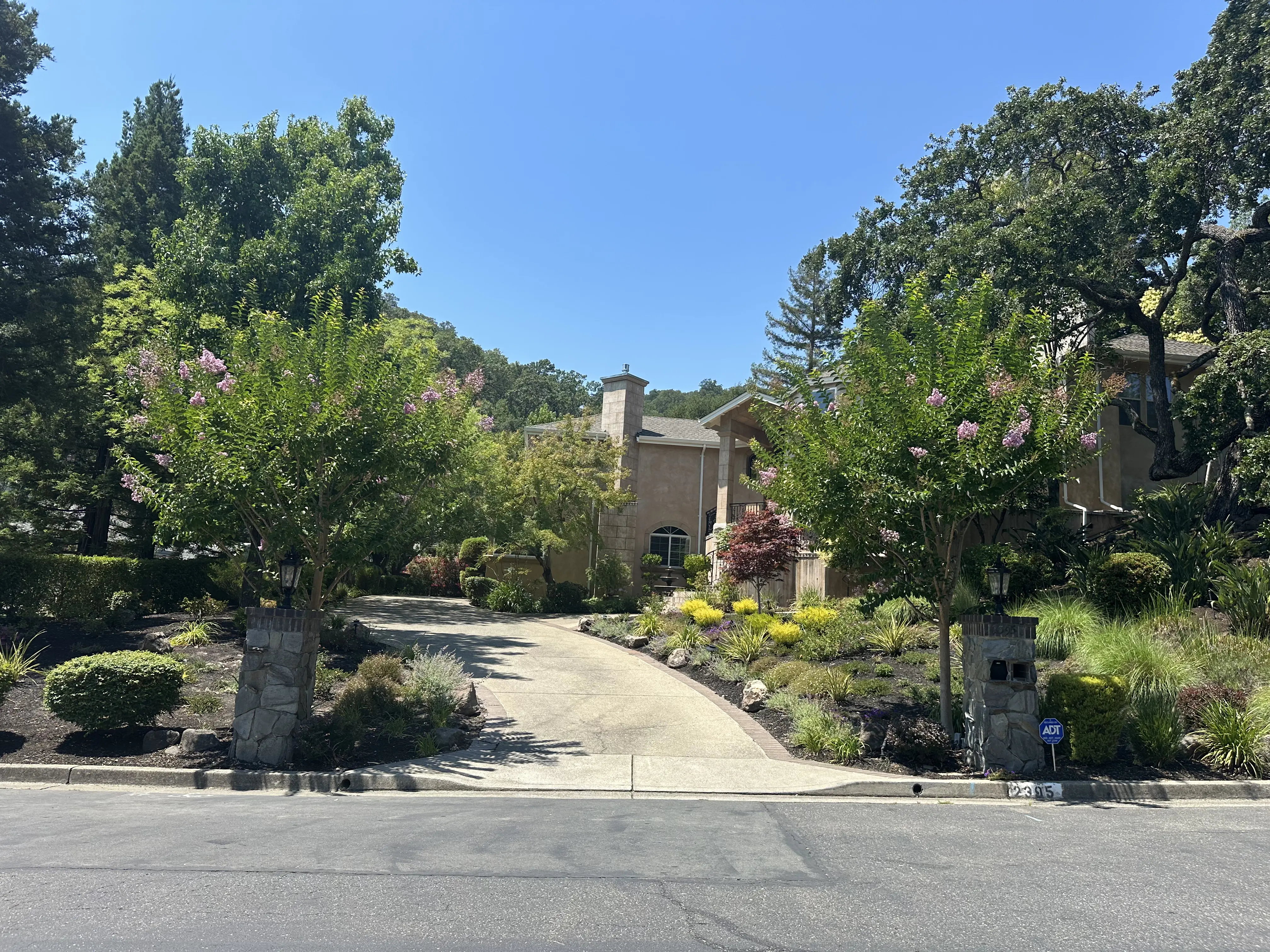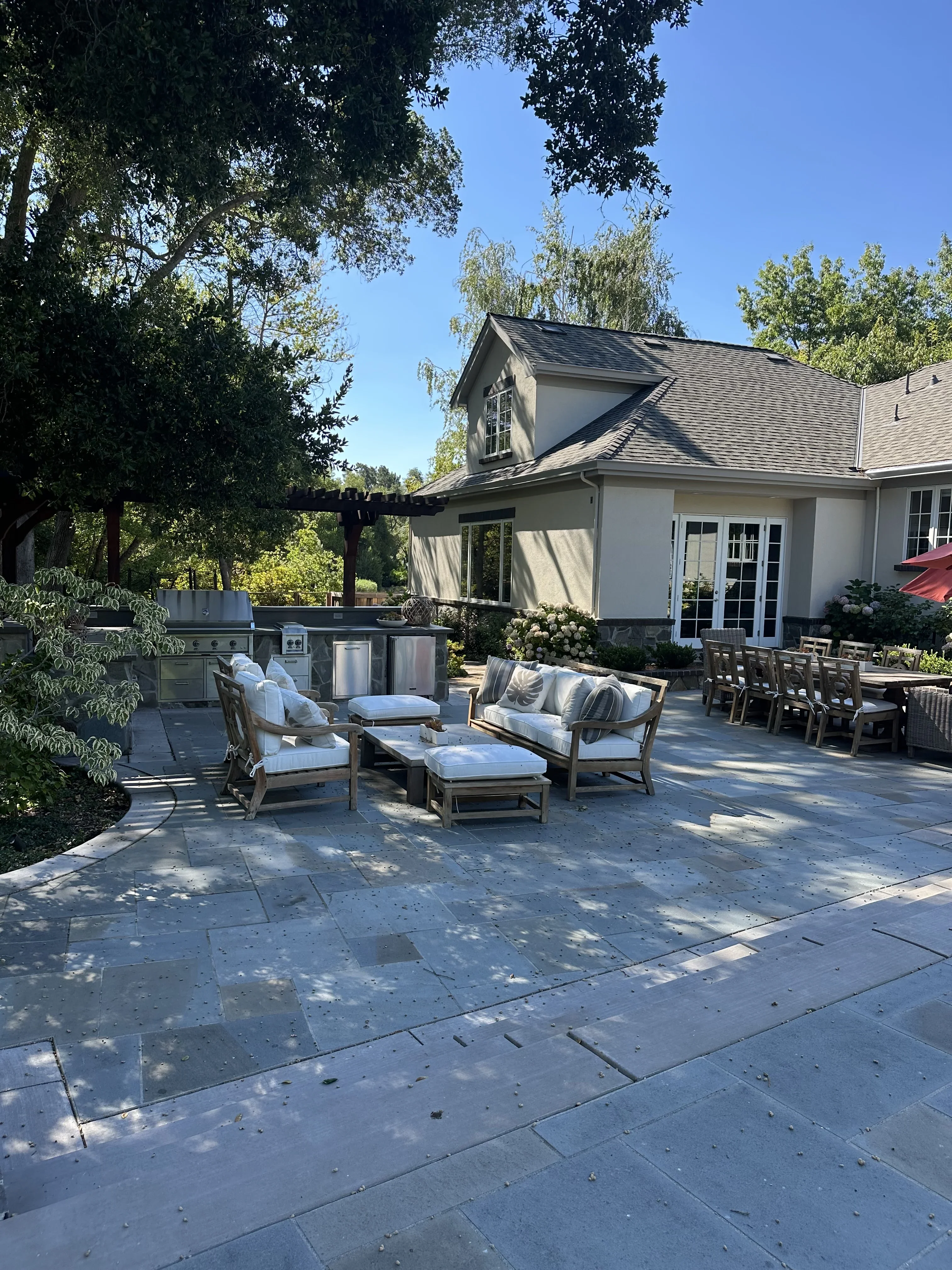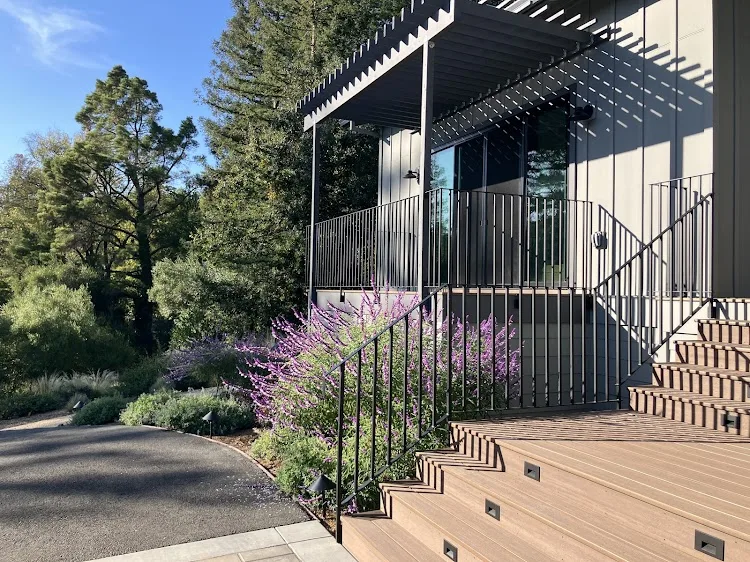

A practical guide to planning a landscape installation around East Bay weather, planting windows, irrigation work, and contractor scheduling.
For many Contra Costa County homeowners, the best time to start a landscape installation is earlier than the week they want shovels in the ground. A good landscape project has decisions that need room: layout, grading, drainage, irrigation, plant selection, hardscape details, and the practical question of how the yard should function after the work is done.
The East Bay climate makes timing especially important. Warm, dry summers can be hard on new plants, while the cooler months give roots more time to establish before heat arrives. That does not mean every installation has to happen in one narrow season, but it does mean the schedule should be planned around the type of work being done.
Think in Phases, Not Just a Start Date
A successful installation usually moves through a few clear phases. First comes the walk-through and estimate, where priorities are sorted out. Then comes the design and material conversation: which areas need planting, which areas need access, where irrigation needs to be repaired or installed, and whether features like stone work, decks, lighting, or vegetable boxes belong in the plan.
Once the plan is clear, the site work can begin. Grading and drainage should be handled before planting. Irrigation should be tested before new plants depend on it. Hardscape work should be sequenced so crews are not dragging materials through finished beds.
That order matters because it protects the investment. A yard can look finished on day one, but the goal is a landscape that still looks right after the first summer, the first storm, and the first few rounds of regular maintenance.
Fall and Spring Are Often the Easiest Planting Windows
For planting-heavy projects in Lafayette, Walnut Creek, Alamo, Danville, Orinda, Moraga, Pleasant Hill, Martinez, Clayton, and Concord, fall and spring often provide the friendliest conditions. Soil temperatures are workable, the sun is less punishing than midsummer, and new plants have a better chance to settle in before extreme heat.
Fall can be especially useful for drought-smart planting. Even modest seasonal rain helps new plants establish deeper roots, and irrigation systems can often run less aggressively than they would during a July installation.
Spring can also work well, especially when the project includes fresh turf, planting beds, irrigation upgrades, or a front yard refresh before the heaviest summer use. The key is to avoid waiting until the yard is already stressed by heat before beginning the conversation.
Summer Projects Need a Maintenance Plan
Summer installations are possible, but they need more attention after planting. New plants and sod can be unforgiving when irrigation is inconsistent. If the project is installed during hot weather, the watering schedule, mulch coverage, and early maintenance visits become more important.
This is where an owner-operated approach helps. The person planning the job should understand how the installation will be cared for after planting ends. If ongoing maintenance is part of the plan, the installation can be designed with long-term plant health in mind instead of just a finished-photo moment.
Book Before the Yard Becomes Urgent
The best time to call is before the current landscape becomes a crisis. If drainage is failing, irrigation is unreliable, or planting areas are declining, the project may require more prep than expected. Starting early gives enough time to compare options and avoid rushed decisions.
For a Contra Costa County landscape installation, a practical rule is simple: begin the estimate conversation one season before you want the yard to feel finished. That gives the design, scheduling, and plant establishment process enough room to work.
If you are planning a new landscape installation, start with the site itself: how water moves, how sun hits the yard, how the space is used, and how much maintenance you realistically want. Those answers will shape a better landscape than any one-size-fits-all planting list.